

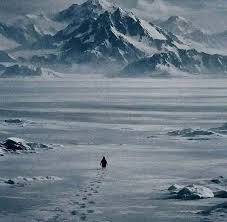
In Werner Herzog’s documentary Encounters at the End of the World, a lone Adélie penguin leaves its colony and walks inland toward distant mountains. It moves away from its family toward a place where it cannot survive. Scientists explain that the penguin is likely disoriented, and once it begins its journey, it will not turn back. The internet received the moment as more than strange animal behavior; it became a symbol of destiny and ambition.
At first, the scene feels disturbing: the penguin is walking alone toward certain death. Yet the image stays with viewers because it reflects a truth about human nature. People commit themselves to difficult paths that others often do not understand, relating to another defining idea of our generation: “escaping the matrix.” Sometimes these choices lead to failure, but sometimes they lead to previously unimaginable success. Staying in a safe and repetitive routine is easy; however, many people believe there is more to life than that. What you do not find exhilarating can slowly drain motivation, curiosity, joy, and purpose.
Students at Pembroke Hill face similar choices daily. Safe routines feel comfortable, but real growth demands risk. Like the penguin, independence can feel lonely, yet pursuing meaningful, perhaps unorthodox goals often proves worthwhile.